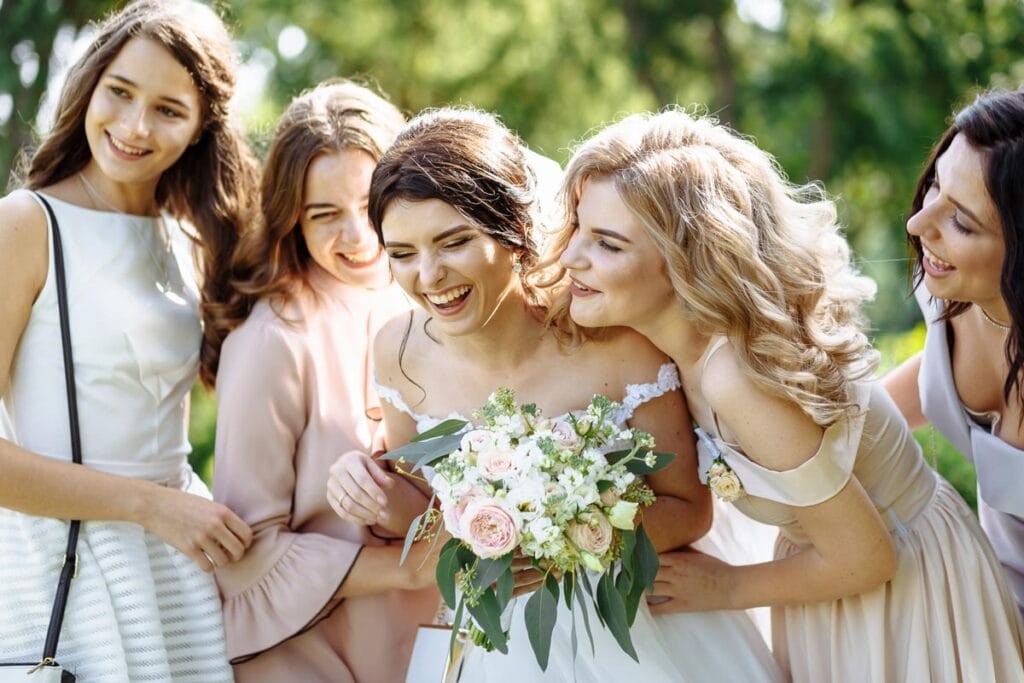
Why Emotions Matter More Than Perfect Poses in Wedding Photos
When couples look back at their wedding galleries years later, they rarely comment on how perfectly straight their posture was or how flawlessly their hands were placed. Instead, they say things like, “I can feel that moment again,” “Look at how happy we were,” or “That laugh was so us.” The truth is, emotions matter far more than perfect poses in wedding photography. Real feelings—the joy, tenderness, tears, and laughter—are what make photos timeless and meaningful.
As a wedding photographer, my goal is never to create a collection of stiff, magazine-perfect images. It’s to capture the heart of your day: the authentic emotions that tell your unique love story. Here’s why prioritizing emotion over perfection leads to photos you’ll treasure forever—and how we achieve that together.
Emotions Make Photos Timeless
Trends in posing and editing come and go. One year it’s extreme angles and heavy filters; the next it’s something else entirely. But genuine emotion never goes out of style. A photo of you wiping away a happy tear during vows or sharing a quiet forehead touch after your First Look will feel just as powerful in 30 years as it does today.
Perfect poses can look dated or generic. They often prioritize “looking good” over feeling real. Emotional images, on the other hand, transcend time because they connect to universal human experiences—love, joy, nervousness, relief, excitement. These are the shots that make you relive the day, not just remember it.
Real Emotions Tell Your True Story
Your wedding isn’t a photoshoot—it’s a deeply personal milestone. The moments that define it are rarely the perfectly posed ones. They’re the unplanned, heartfelt instances:
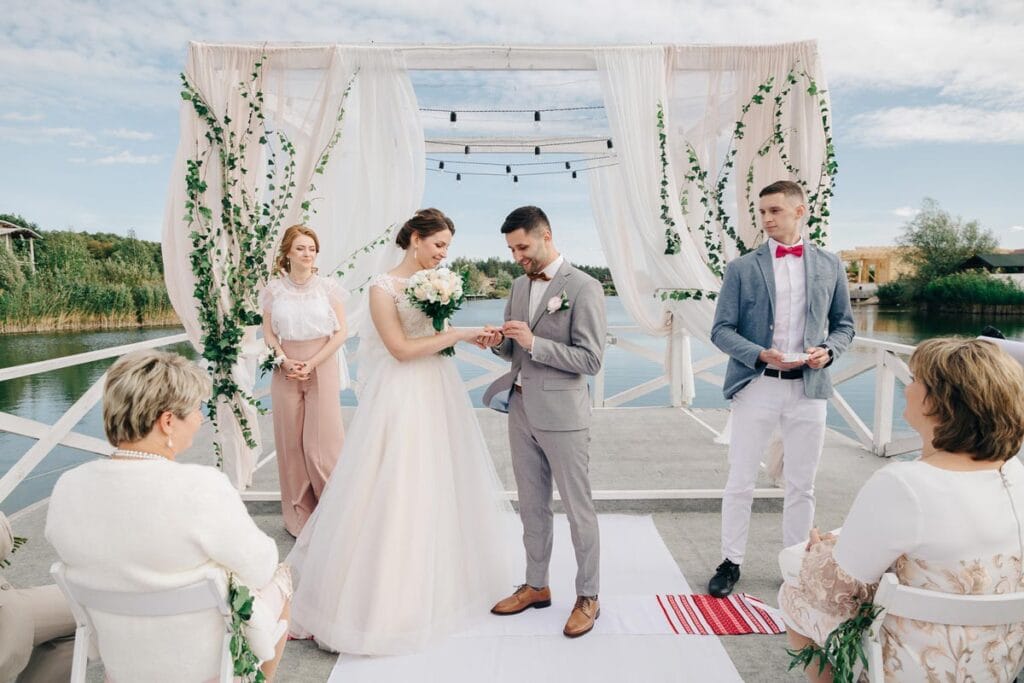
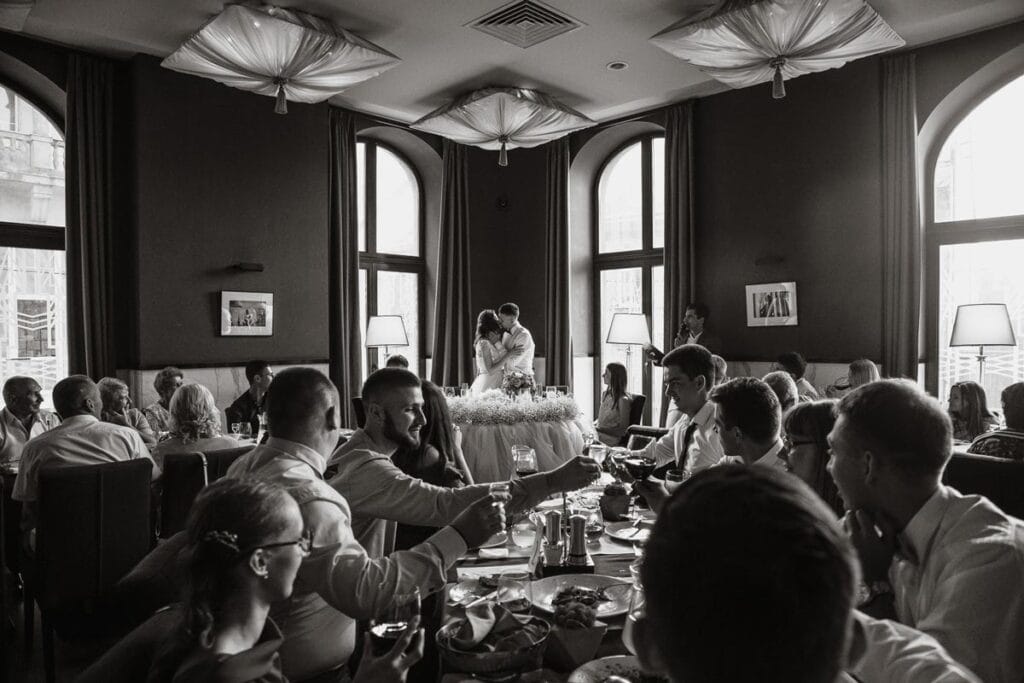
The way your partner looks at you when they think no one’s watching The uncontrollable laughter during speeches The gentle squeeze of hands during a quiet pause Tears from parents or friends moved by your vows
These emotions are what make your story yours. Perfect poses might look beautiful in a magazine, but they don’t capture the nuances of your relationship—the inside jokes, the tender habits, the raw vulnerability. When we focus on emotion, your gallery becomes a genuine reflection of who you are together.
 Perfection Can Create Pressure—Emotion Creates Freedom
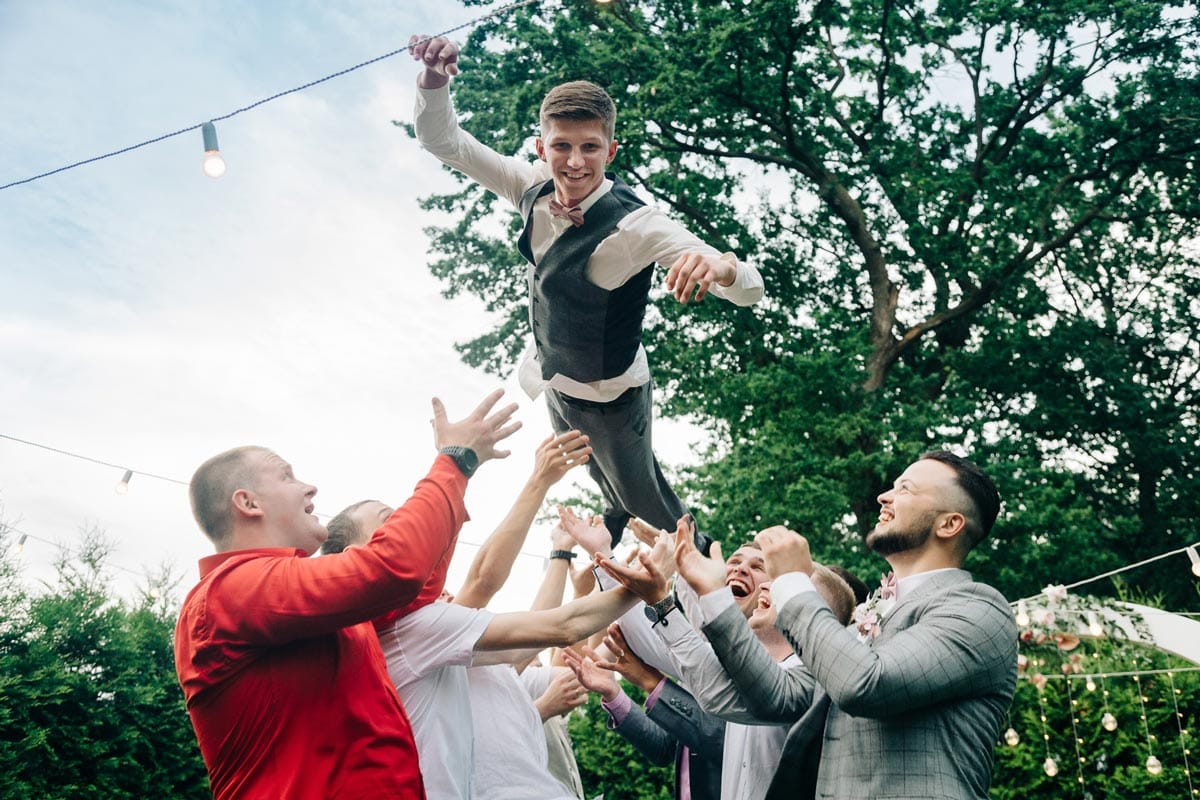 Perfection Can Create Pressure—Emotion Creates Freedom
Obsessing over “perfect” poses often leads to stress. Couples worry about chin angles, hand placement, or symmetrical smiles, pulling them out of the moment. On a day already full of excitement and nerves, that added pressure can make you feel self-conscious instead of celebratory.
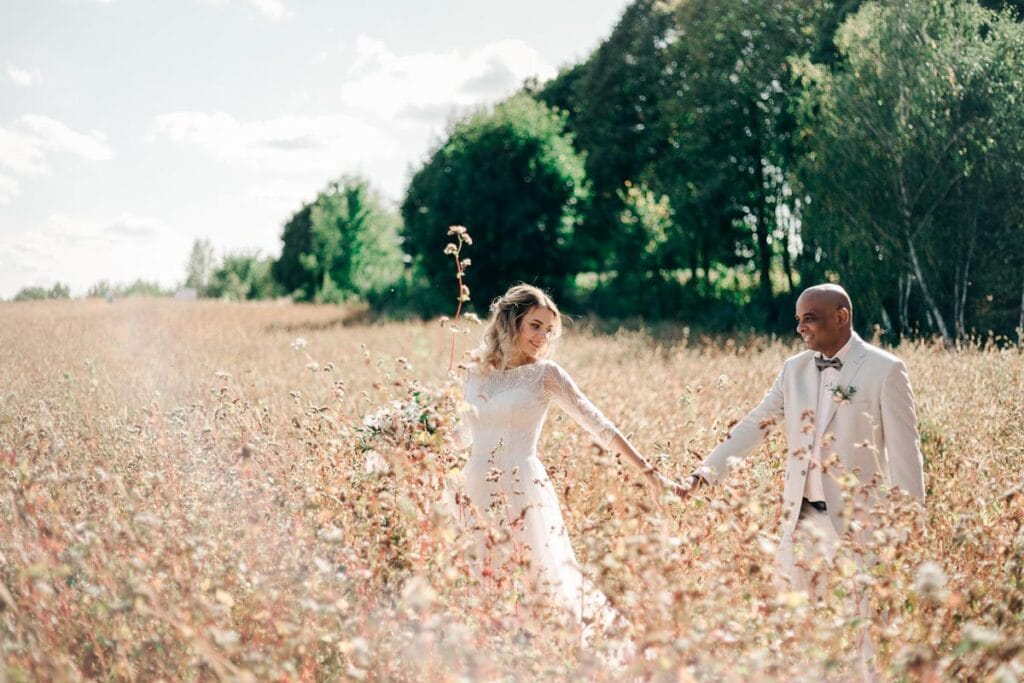
Prioritizing emotion flips this. You’re encouraged to feel—to look at each other, laugh, cry, and connect. There’s freedom in knowing the goal isn’t flawlessness; it’s authenticity. When you’re emotionally present, you naturally look your best anyway: eyes sparkle, smiles reach your whole face, and bodies relax into each other.
I’ve seen it time and again: couples who let go of “perfect” and lean into feeling produce the most stunning, heartfelt images.
How We Capture Emotion Over Perfection
My approach is designed to draw out real feelings rather than manufacture poses:
Gentle, Emotion-Based Prompts → Instead of “stand like this, smile like that,” I say things like “Tell each other what you’re most excited about for married life” or “Remember the moment you knew they were the one.” These prompts spark genuine reactions—smiles, tears, whispers—that no posed instruction could replicate. Focus on Interaction → Most of your portraits involve connecting with your partner, not the camera. Look at them, touch, talk, laugh. The camera becomes secondary. Candid Documentation → 70–80% of your gallery is unposed moments captured as they happen—reactions during the ceremony, hugs with guests, quiet breaths before walking down the aisle. Relaxed Environment → We take time for portraits (especially with a First Look) so there’s no rushing. Music, champagne, or simply breathing together helps you settle into real emotions. Editing for Feeling → I enhance warmth, depth, and natural skin tones—not airbrush away every “imperfection.” Laugh lines, happy tears, and wind-tousled hair stay because they’re part of the emotion.
The result? Images that feel alive and deeply personal, not polished to the point of unrecognizable.
What “Imperfect” Emotional Photos Look Like (and Why They’re Better)
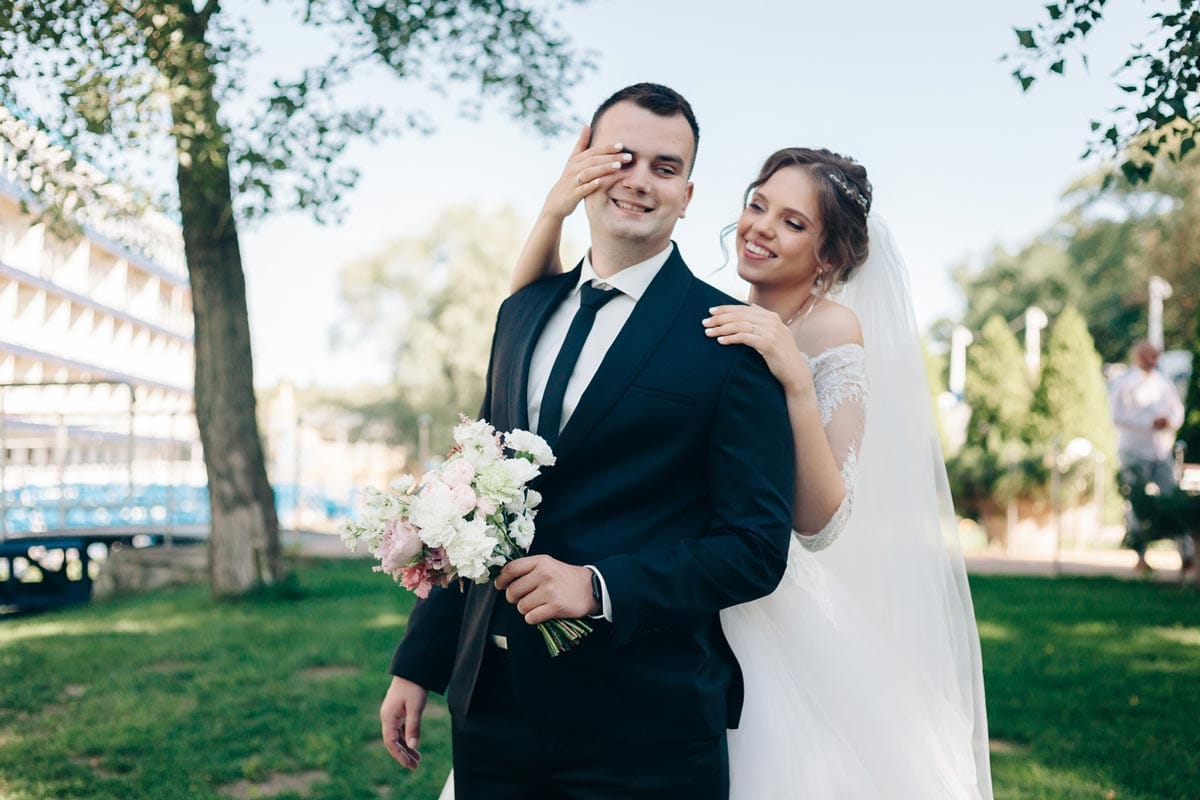 What “Imperfect” Emotional Photos Look Like (and Why They’re Better)
A slightly blurry laugh because you were mid-giggle—full of joy A tear-streaked cheek during vows—raw and moving Uneven smiles because you were whispering something sweet—intimate and real Wind-blown hair or a wrinkled dress from hugging—lived-in and authentic
These “imperfections” are what make photos human. They’re the details that transport you back. Perfectly posed images might look flawless, but they often lack soul. Emotional ones have heart—and that’s what lasts.
The Long-Term Impact
Couples who embrace emotion over perfection consistently say their galleries feel more “them.” They frame the candid, feeling-filled shots largest. They share the emotional moments most. And decades later, those images still evoke the same butterflies and tears.
Your wedding photos aren’t about looking like a catalog couple—they’re about preserving how your day felt. The love, the nerves, the overwhelming happiness. That’s what matters most.
If you want a gallery full of real emotion rather than perfect poses—one that makes you feel everything all over again—I’d love to help. My style is all about authenticity, connection, and capturing the heart of your story.
Planning your wedding and dreaming of emotional, timeless photos? Reach out—let’s create images that prioritize feeling above all else.